Straw Marquetry
From the Gold of the Poor to the Elegance of Art Deco
Once known as the “gold of the poor”, straw was transformed by the great designers of the Art Deco era into a material of understated luxury. What makes this centuries-old craft so remarkable is the contrast between the simplicity of its origins and the extraordinary refinement of its results.
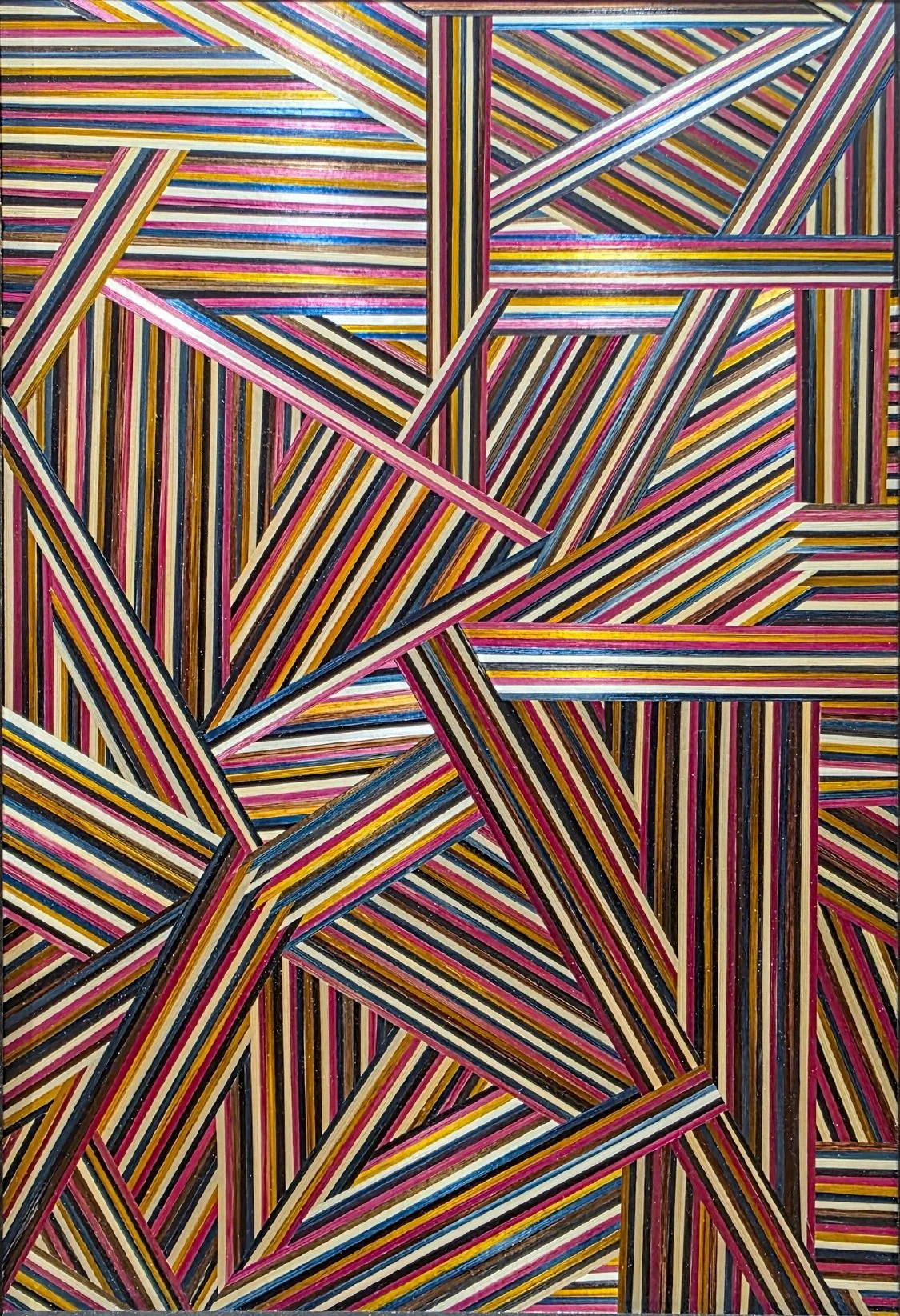
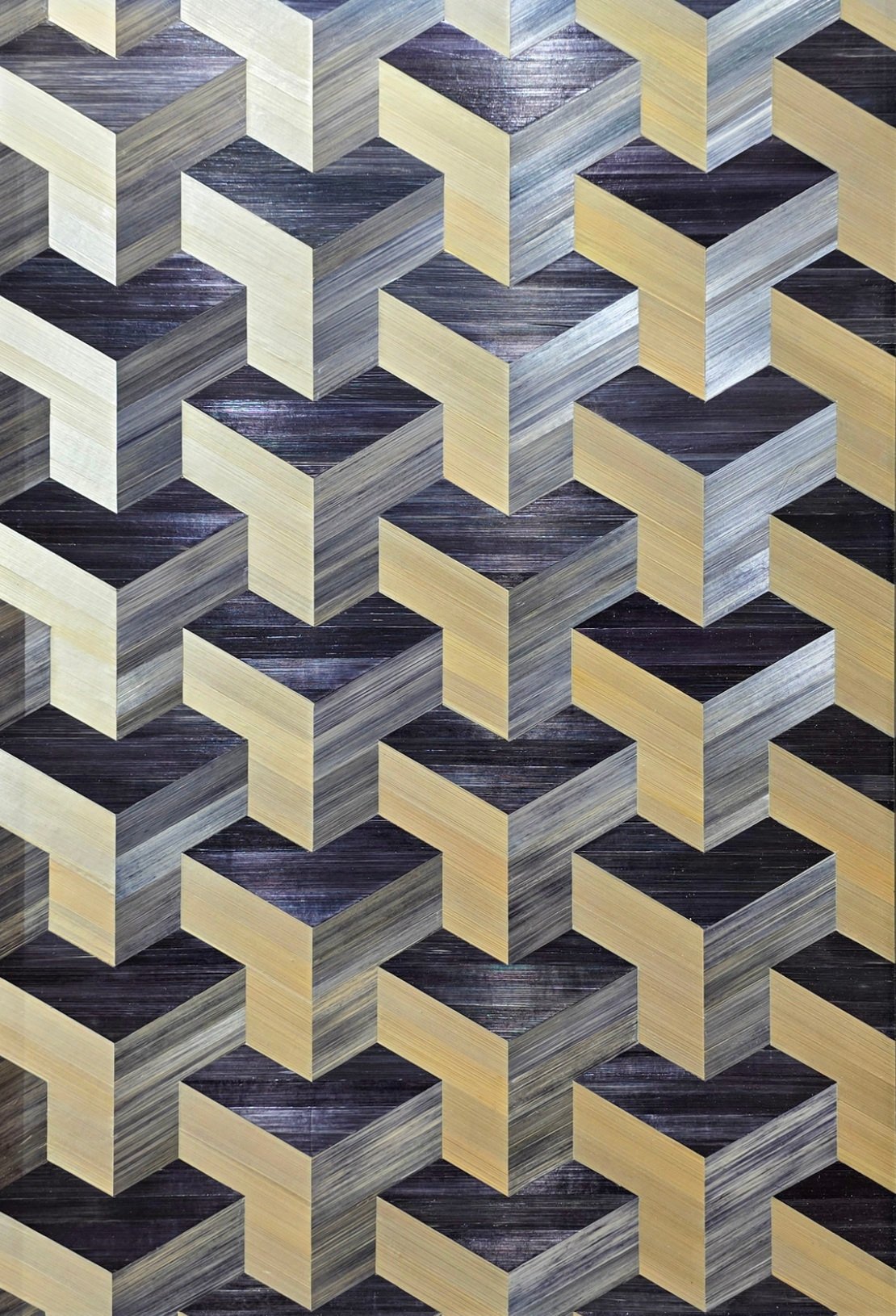
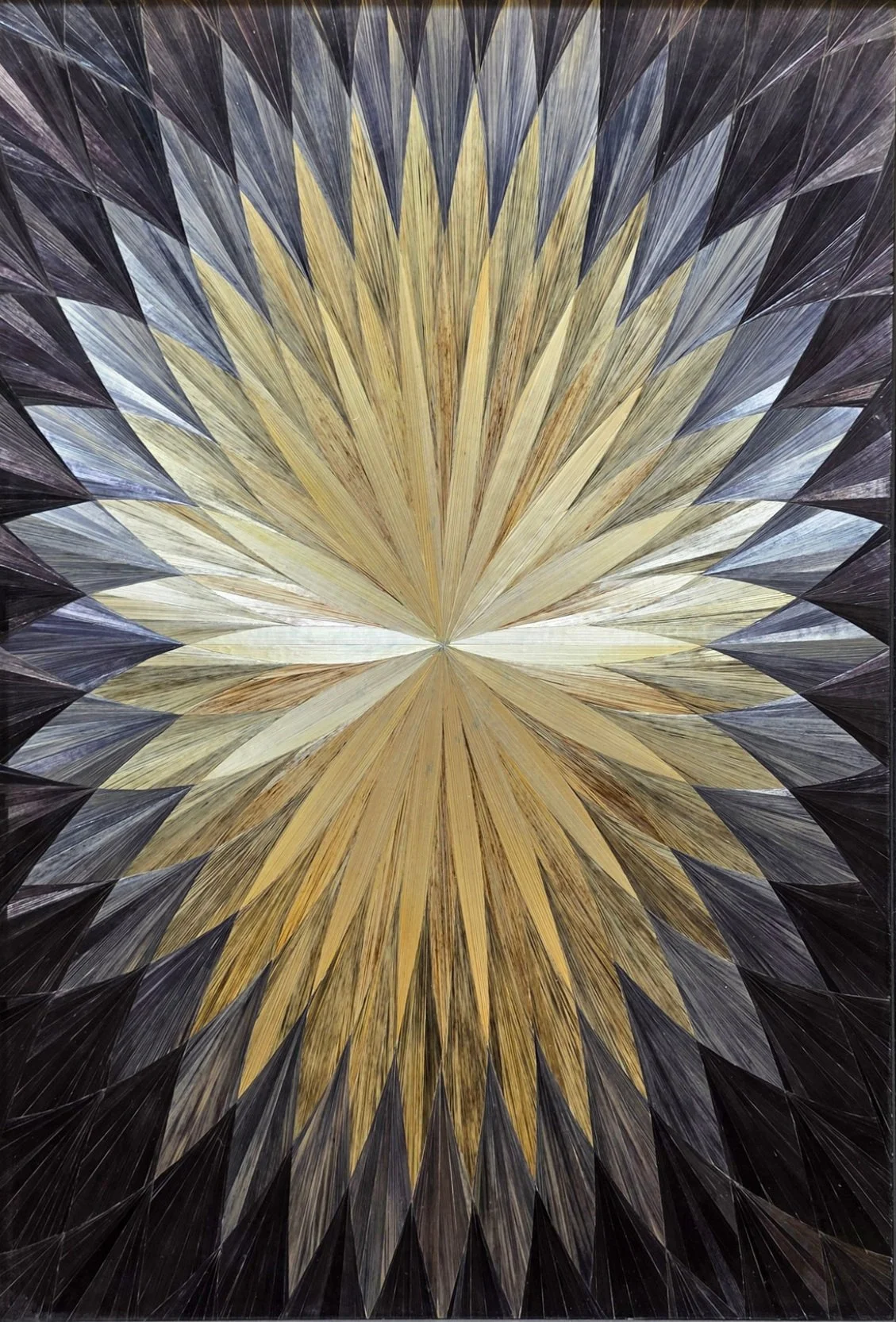
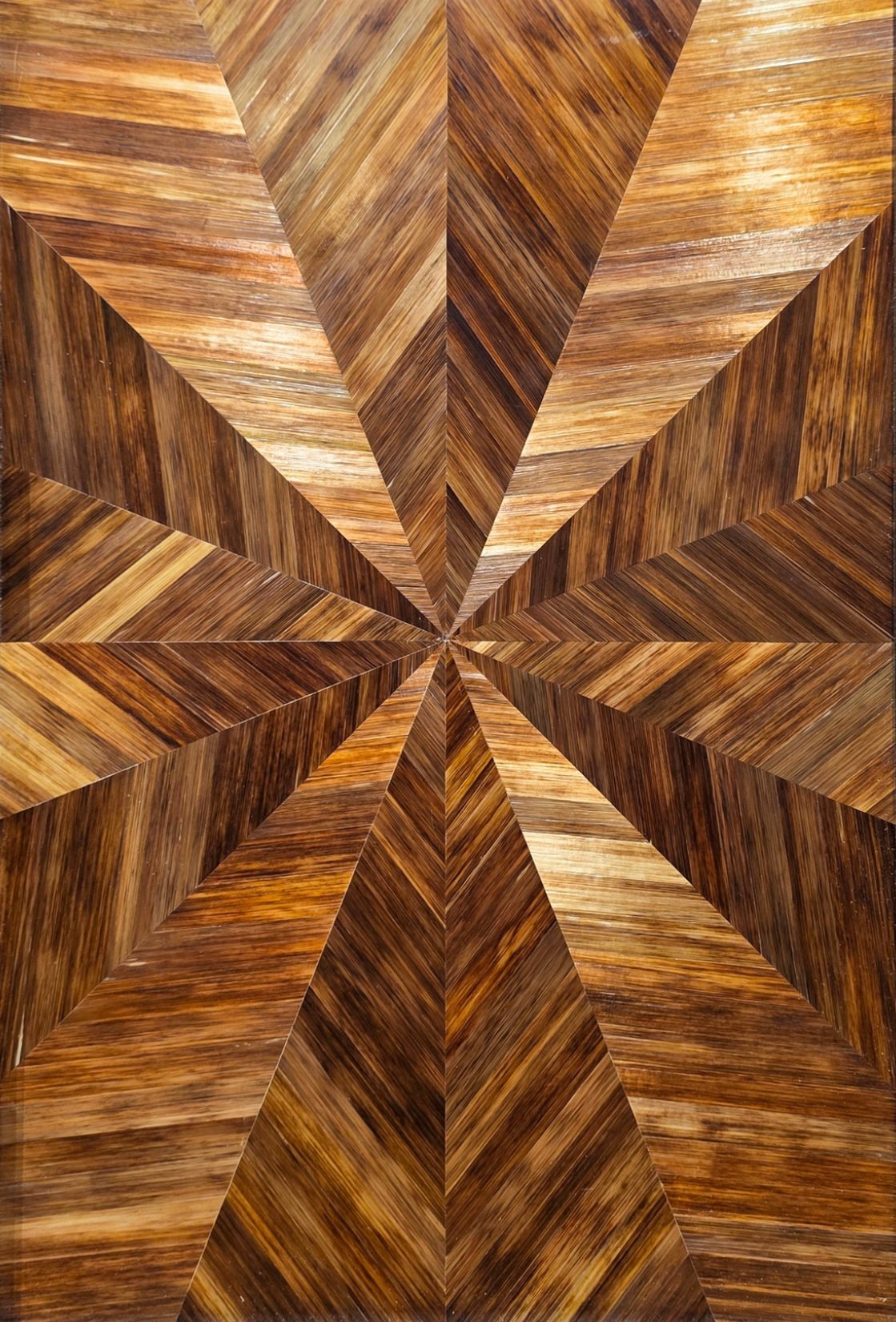
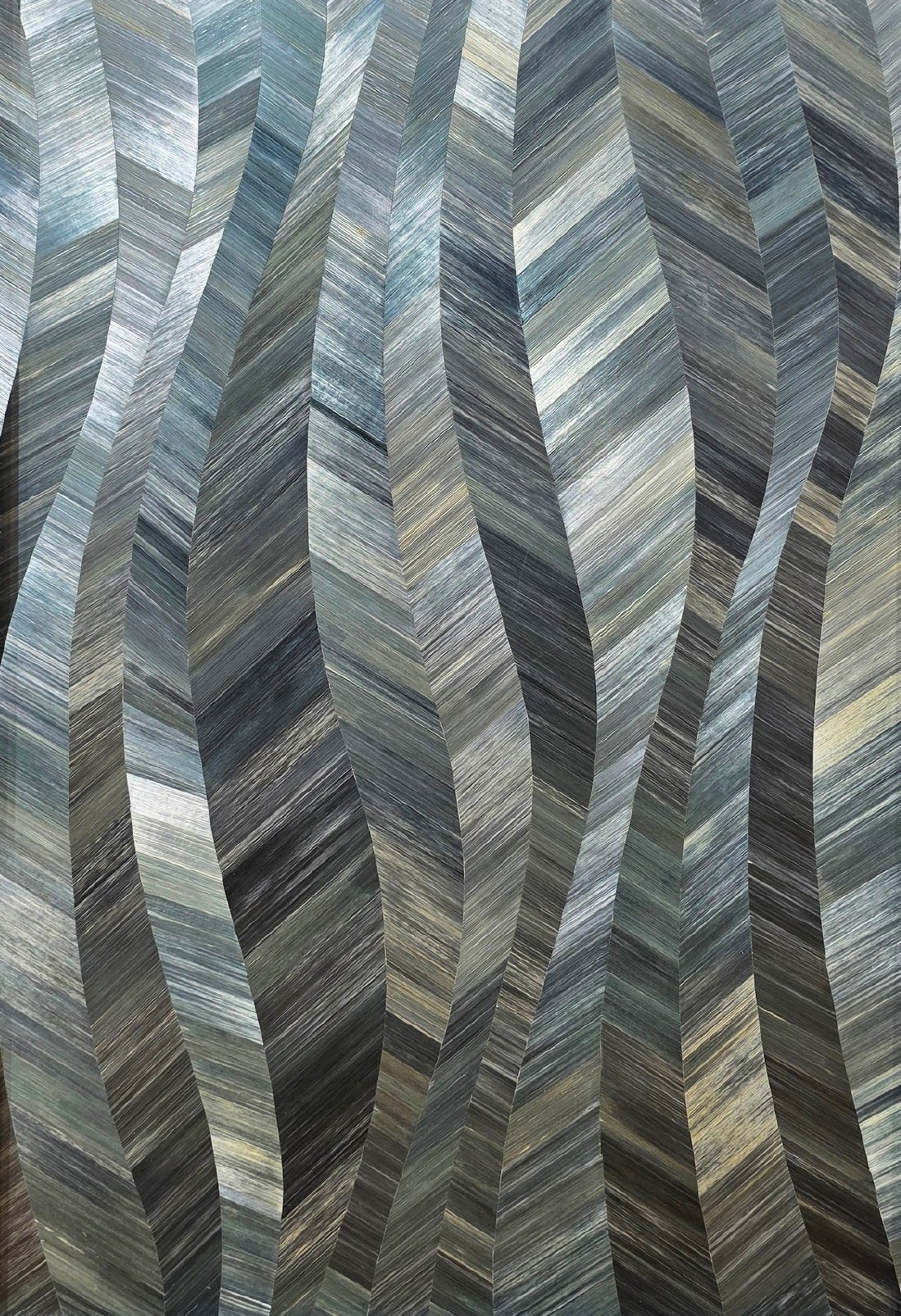
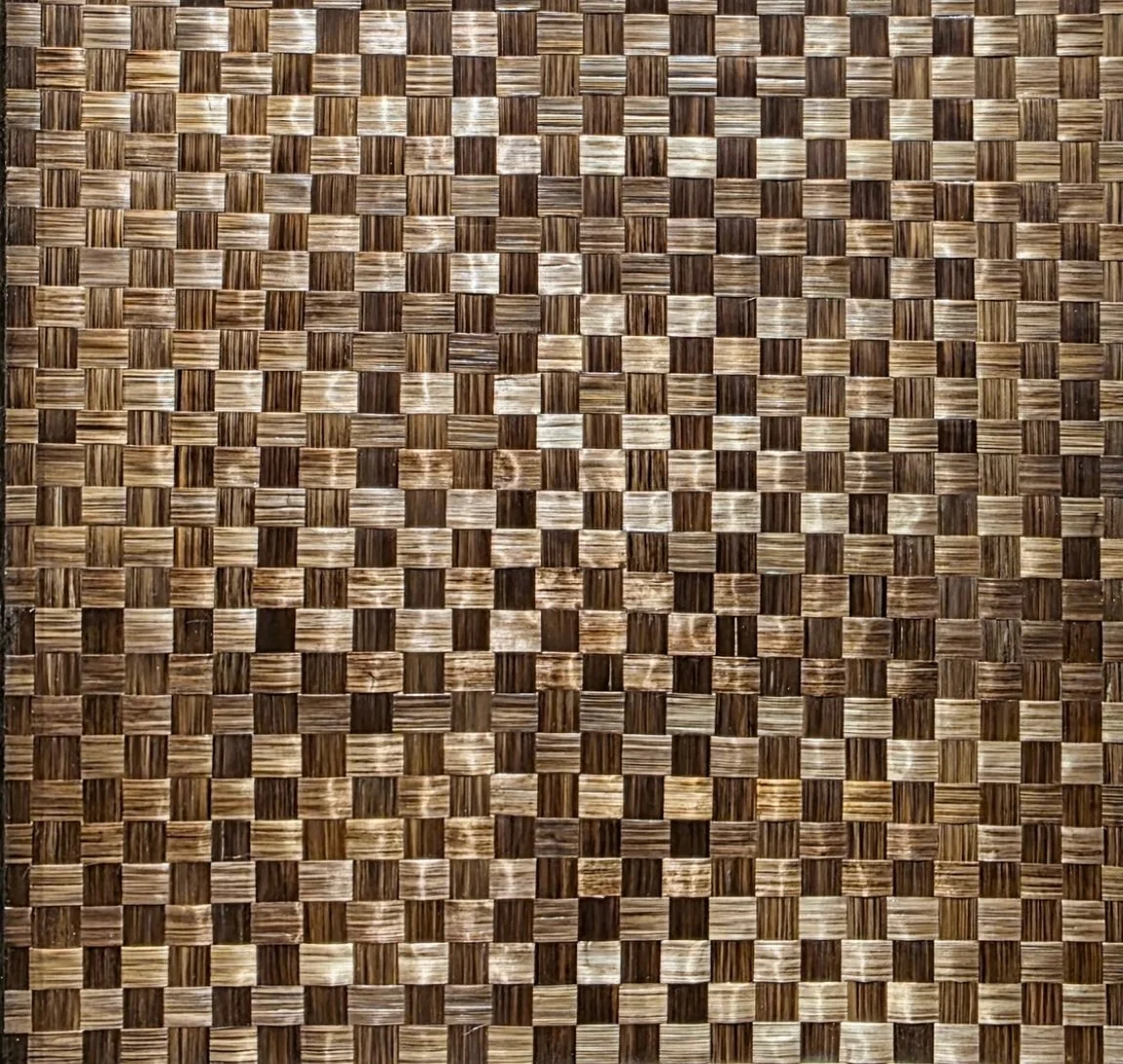
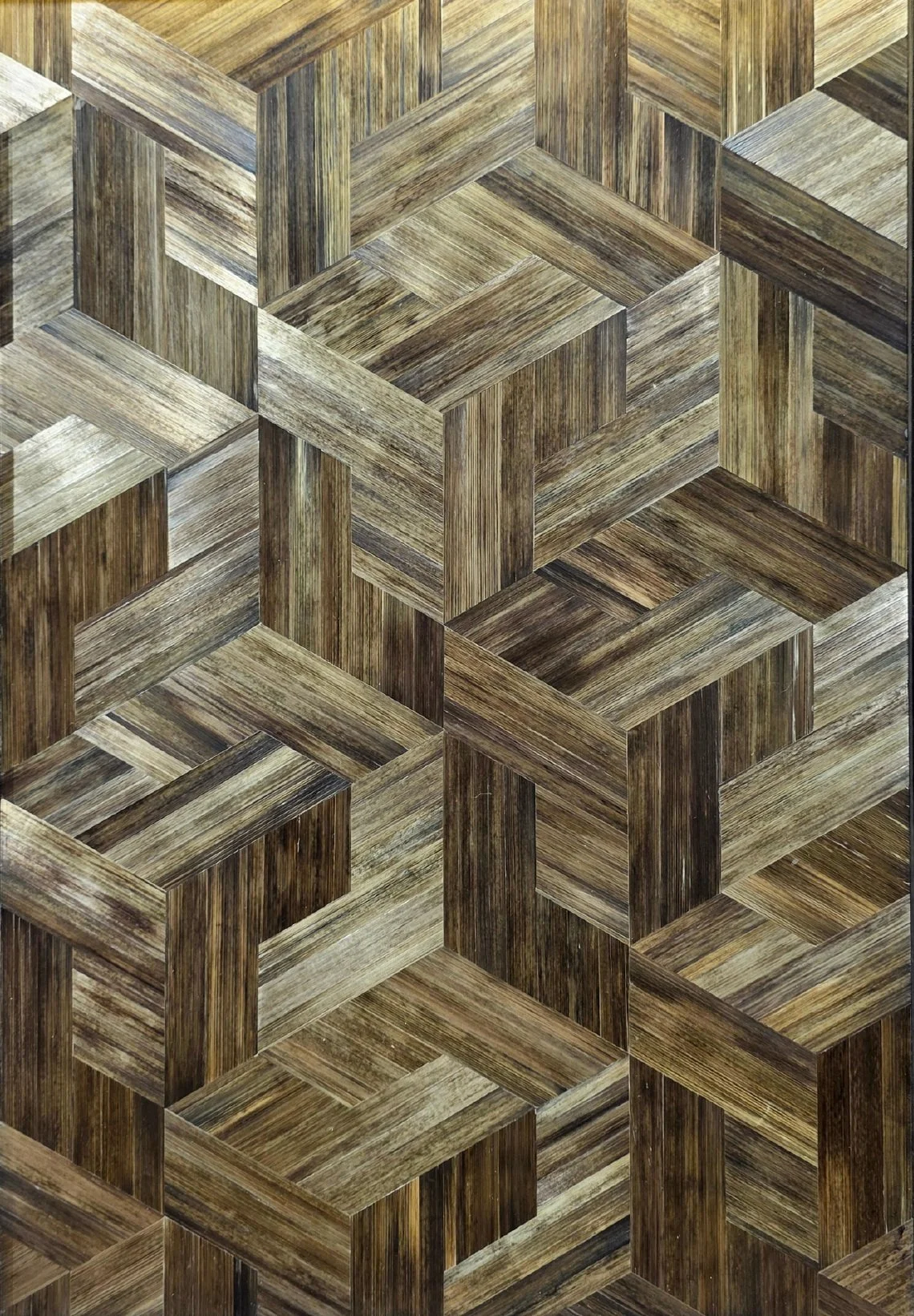
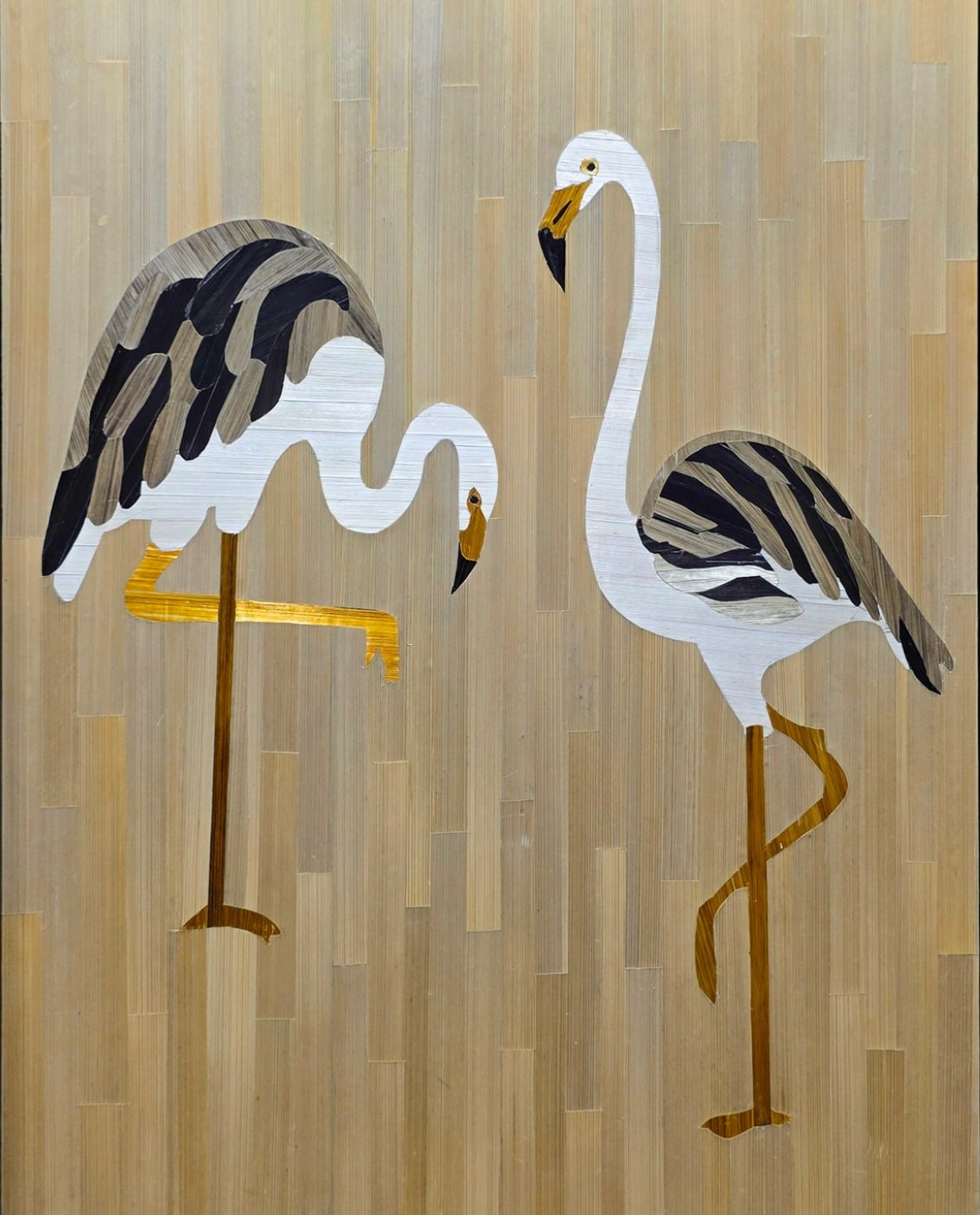
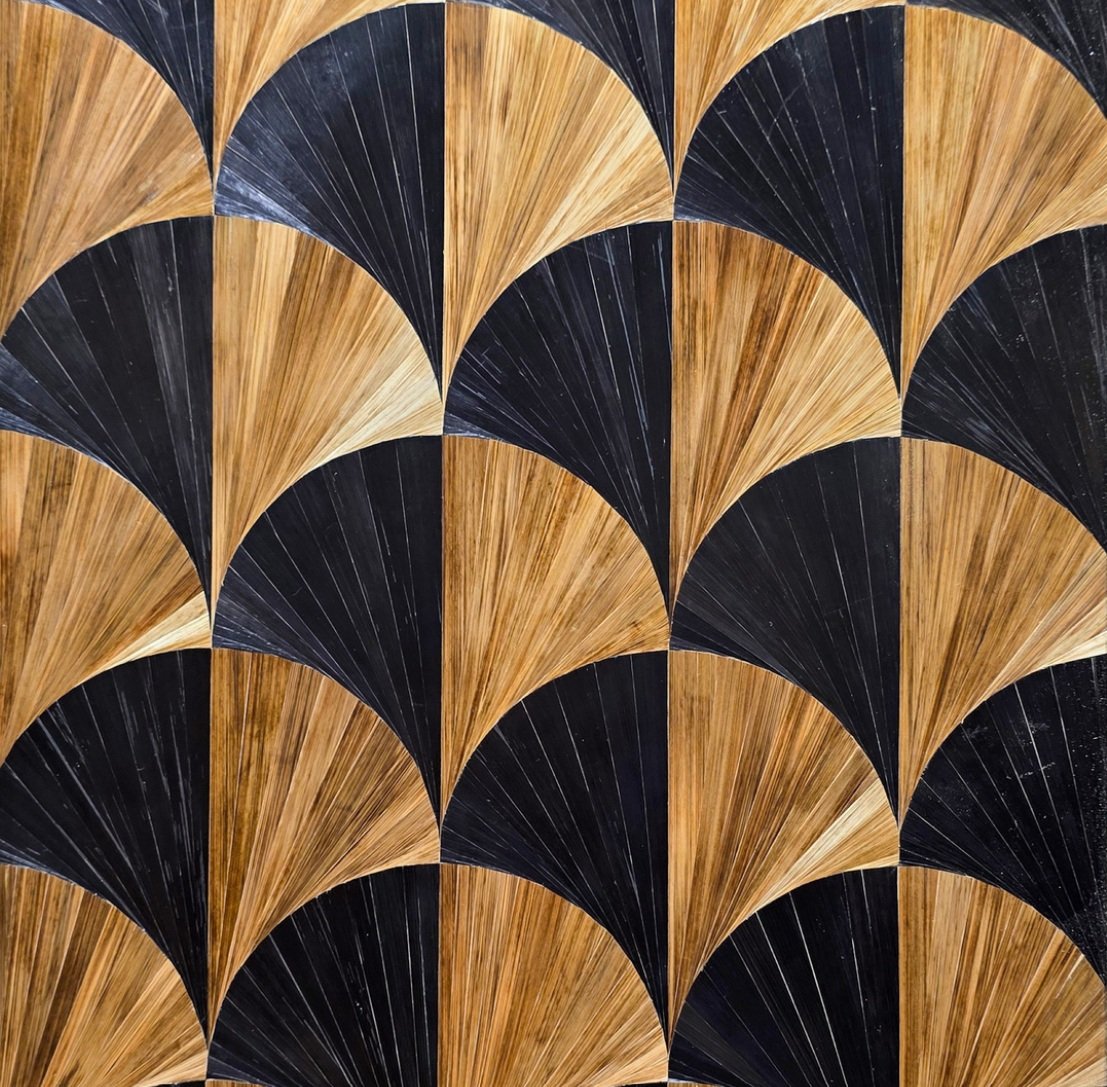
Straw marquetry, or marqueterie de paille, is the art of creating decorative surfaces from carefully prepared and individually applied pieces of straw. Its natural, almost metallic lustre gives rise to surfaces of remarkable depth and luminosity, transforming one of nature's most humble materials into something truly exceptional.
We bring your design ideas to life through bespoke straw marquetry, creating panels in flat or curved forms, tailored to your exact specifications. We can also assist in developing custom furniture pieces, combining straw marquetry with other fine veneers and materials.

Origins – A Humble Art
The precise origins of straw marquetry remain uncertain, but surviving examples date back to the seventeenth century. The craft developed across Europe, particularly in France, Italy, the Netherlands and England.
Unlike traditional wood marquetry, which often relied on expensive exotic veneers, straw offered an abundant and inexpensive alternative. Yet in skilled hands, it could produce decorative effects of surprising sophistication.
The technique was practised by cabinetmakers, religious communities, sailors and prisoners. During the Napoleonic Wars, French and other prisoners of war created intricately decorated boxes, chessboards and small objects, many of which survive today as remarkable examples of craftsmanship born from limited means.
Art Deco – The Transformation into Luxury
In the 1920s and 1930s, straw marquetry experienced a remarkable renaissance in Paris.
Leading designers such as Jean-Michel Frank and André Groult rediscovered the material and introduced it into some of the most sophisticated interiors of the Art Deco period.
They moved beyond traditional pictorial decoration, exploring bold geometric compositions, radiating patterns and expansive surfaces. Furniture, folding screens and entire wall panels were adorned with straw, its natural shimmer bringing warmth and subtle movement to otherwise restrained designs.
In their hands, a material once associated with modest craftsmanship became an expression of modern elegance and refined luxury.
The Craft – Painting with Light
Straw marquetry begins with a deceptively simple material: rye straw.
Each stalk is carefully selected, dried and, when desired, dyed. It is then split lengthwise, opened and flattened into a narrow ribbon. These delicate strips are individually cut and applied to a prepared surface, following the intended composition.
Unlike wood, straw possesses a naturally glossy surface. Its reflective properties allow artisans to create extraordinary optical effects simply by changing the direction of the fibres.
As light moves across the surface, patterns appear to shift, creating an almost textile-like play of colour, texture and luminosity.
The technique requires patience, precision and an exceptional understanding of the material.
A Living Tradition
Following the Art Deco period, straw marquetry gradually fell out of fashion. Its revival owes much to French master artisan Lison de Caunes, granddaughter of André Groult, whose work in restoration and contemporary creation helped bring the craft back into the world of fine decorative arts.
Today, straw marquetry is once again appreciated by leading interior designers and architects. From intricate decorative objects and furniture to large-scale architectural panels, it offers a distinctive combination of natural beauty, artistic expression and timeless sophistication.
What began as an art of modest means has found its place among the most refined crafts of contemporary interiors.