Stone Inlay & Pietre Dure
The Art of Painting in Stone.
Among the most exquisite forms of decorative wall art, stone inlay transforms natural stone into intricate works of art. From elaborate pictorial compositions to refined geometric patterns, each piece is meticulously assembled from individually cut stones, selected for their colour, texture and natural character.
At Aurelio Amberg, we specialise in bespoke stone inlay panels, bringing together centuries-old craftsmanship and contemporary design. Working with exceptional artisans in the traditions of Florentine pietre dure and Indian parchin kari, we create one-of-a-kind pieces for distinguished interiors.
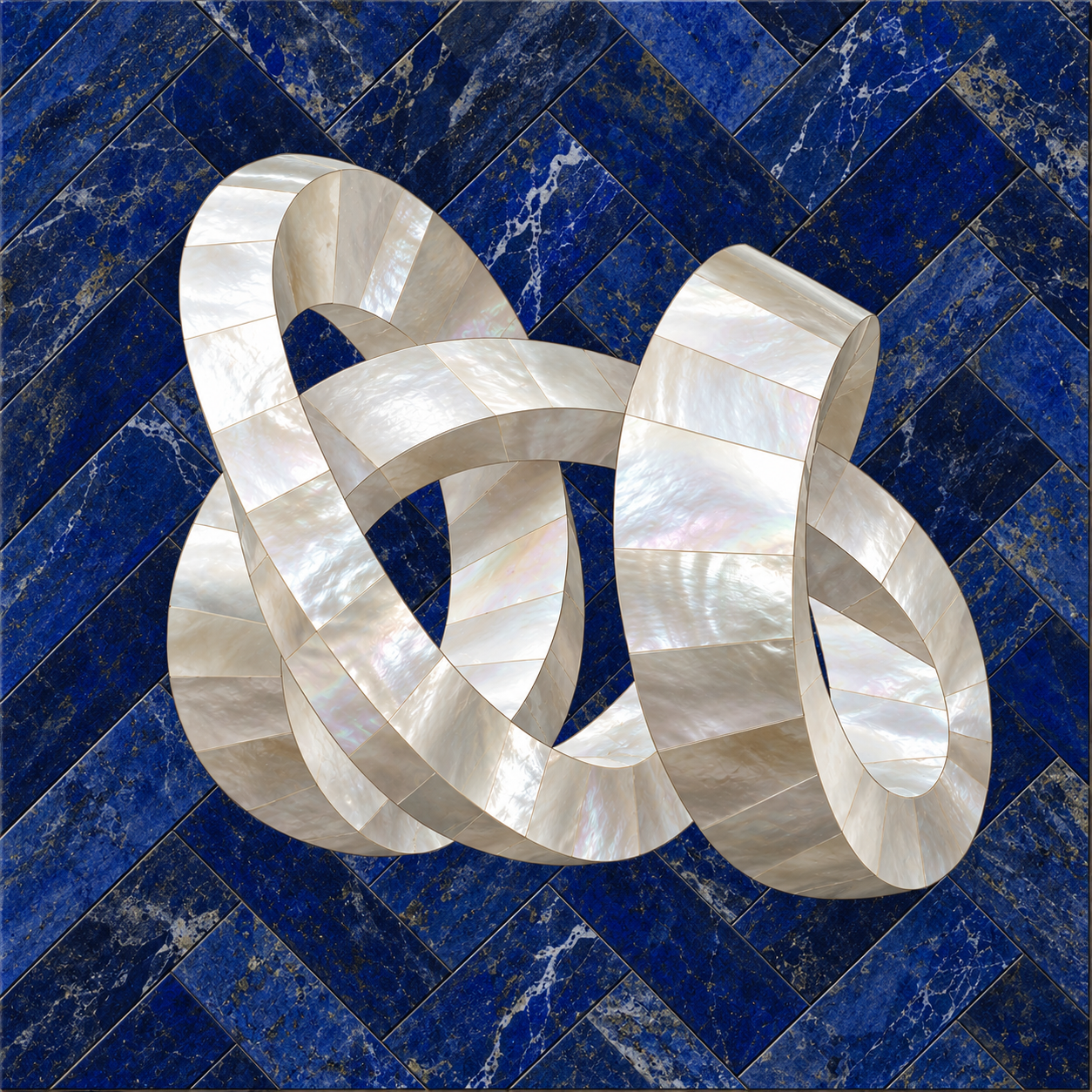
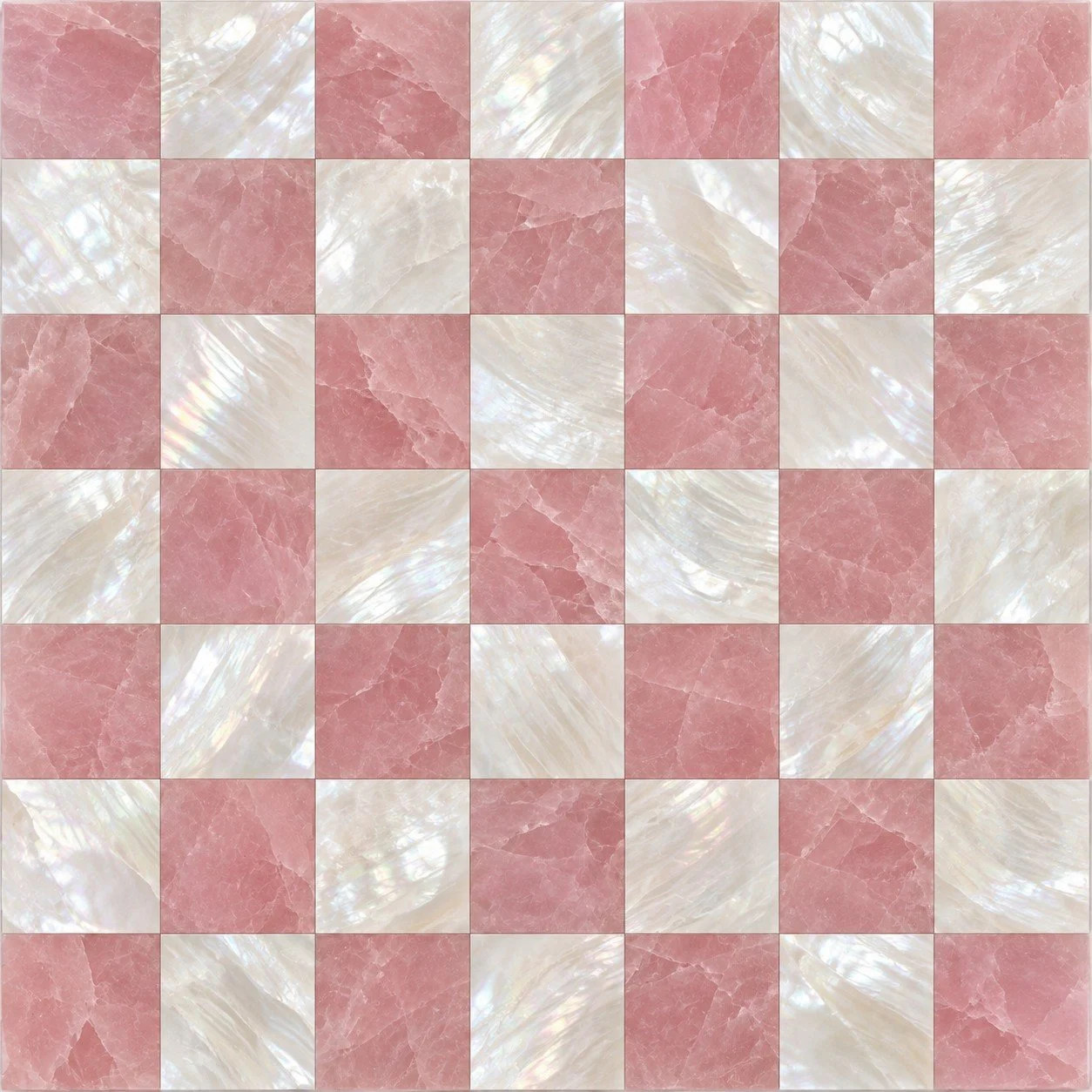
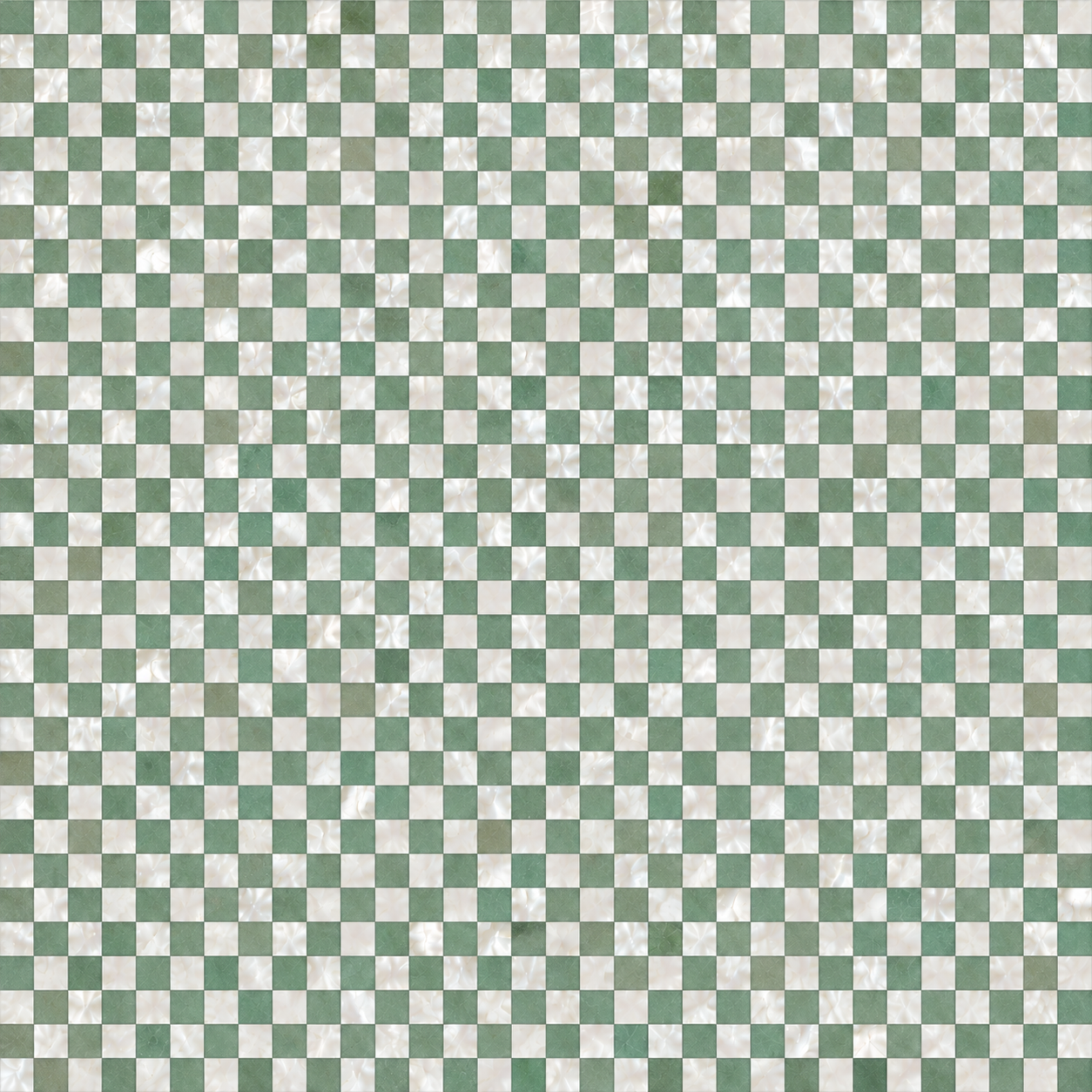
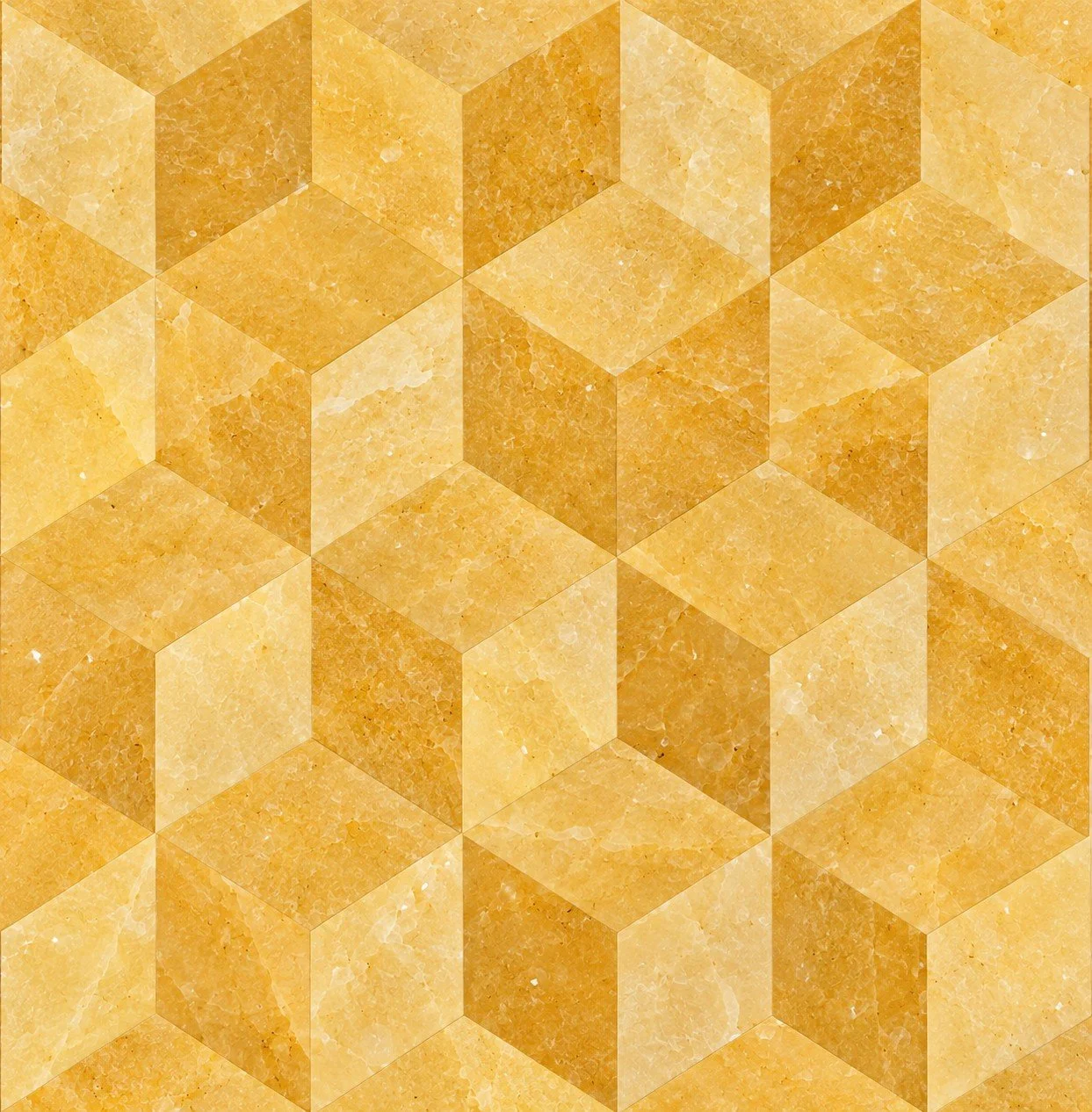
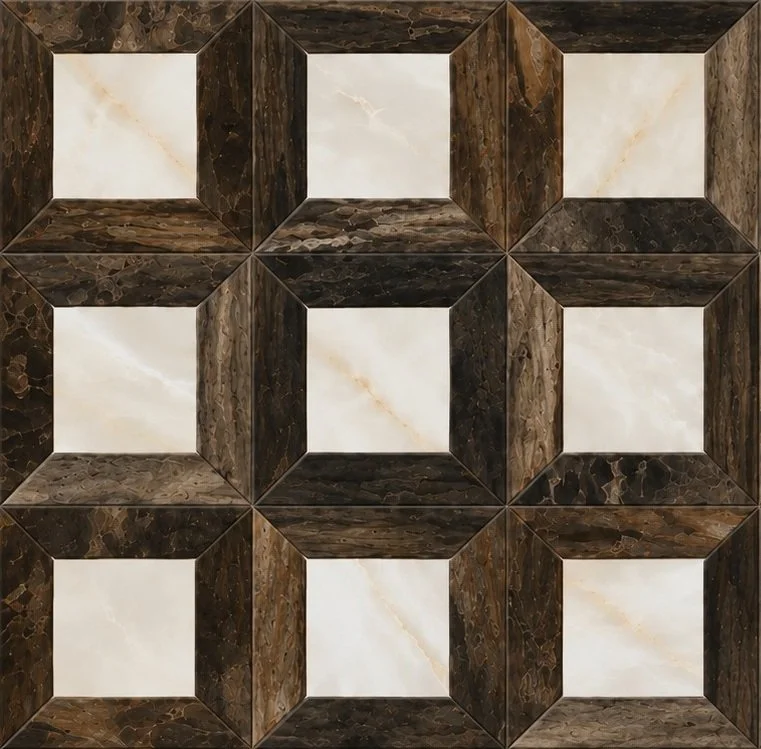
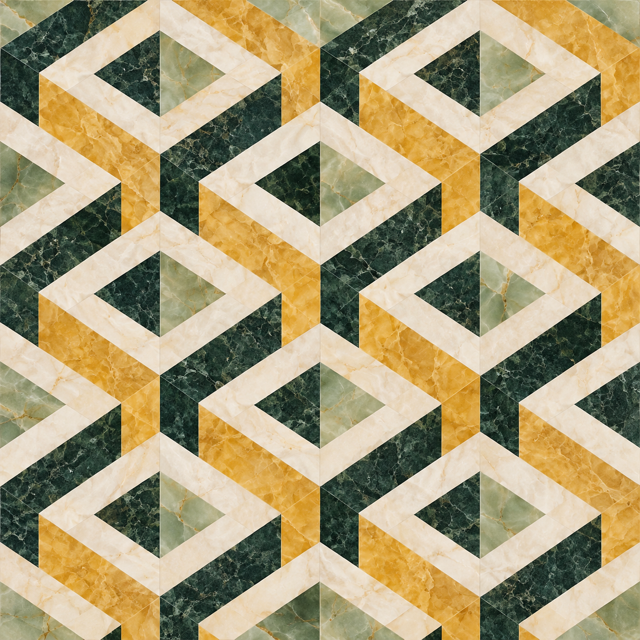
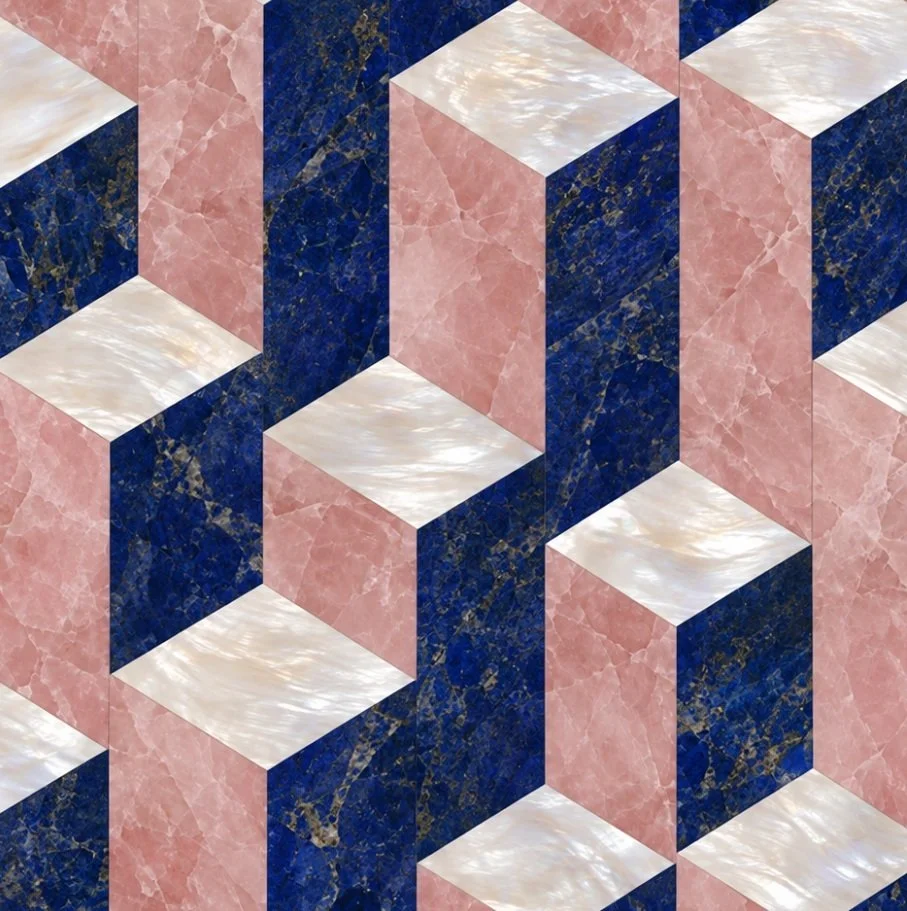
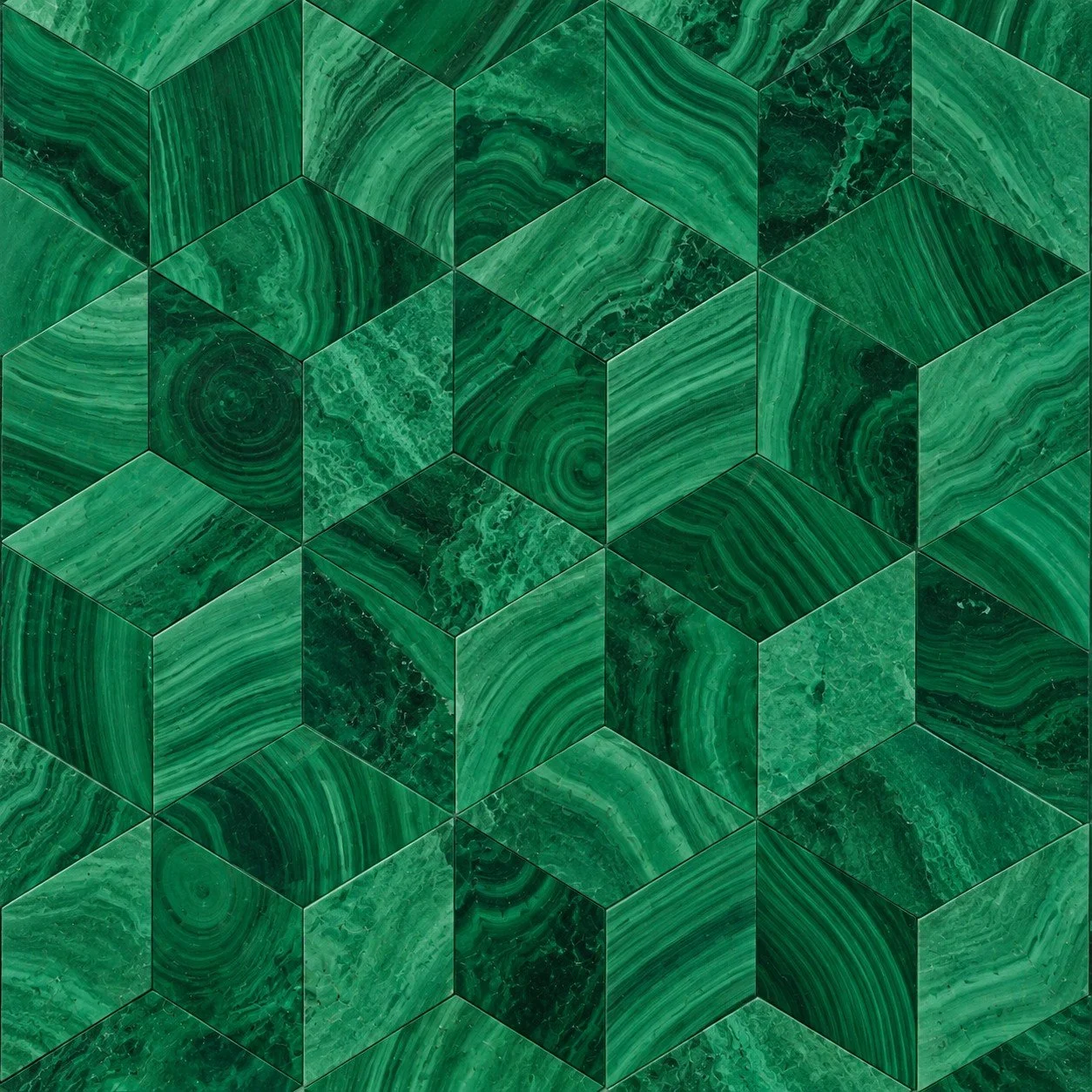
Whether inspired by a historical motif, an original artwork or an architect's geometric design, each composition is translated into stone with extraordinary precision. Marble, lapis lazuli, malachite, mother-of-pearl and other precious and semi-precious materials offer an almost limitless palette of colours and textures.
Bespoke Creations
Every stone inlay begins with an idea. Whether a geometric pattern, a floral composition, a figurative artwork or an entirely contemporary design, our artisans translate creative visions into intricate compositions of natural stone.
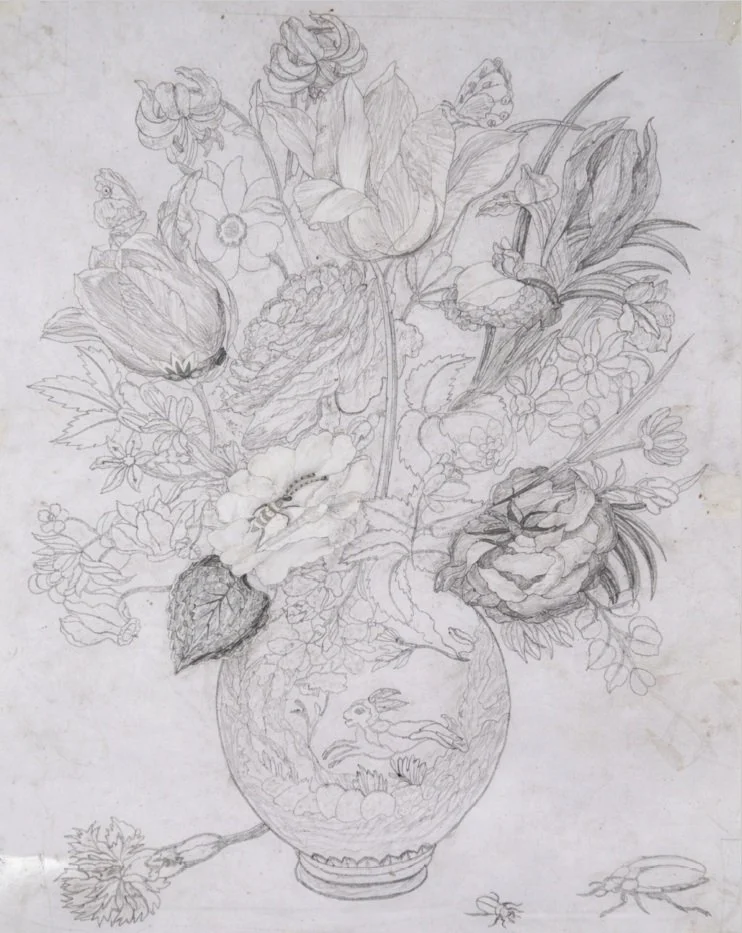
We work from architectural drawings, sketches, photographs and existing artworks, adapting each design to the possibilities and particularities of the materials. The extraordinary variety of natural stones, from subtle marble tones to the intense colours of lapis lazuli, malachite and other semi-precious stones, offers remarkable creative freedom.
More than wall decoration, these panels become architectural works of art — timeless centrepieces that bring depth, character and distinction to a space.
Our work ranges from intimate decorative panels to large-scale wall installations, individually developed to complement their architectural surroundings.


Bringing an Idea to Life
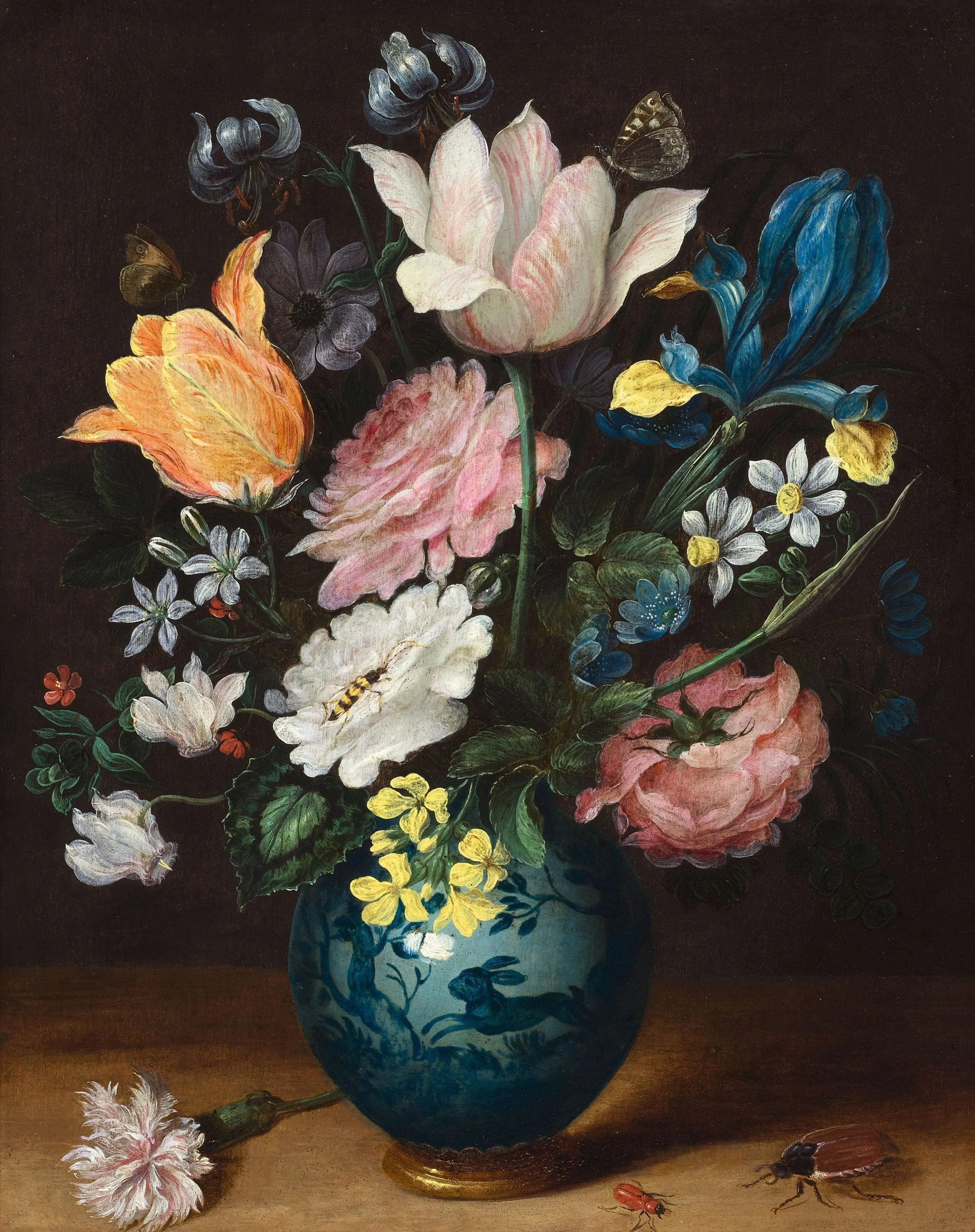
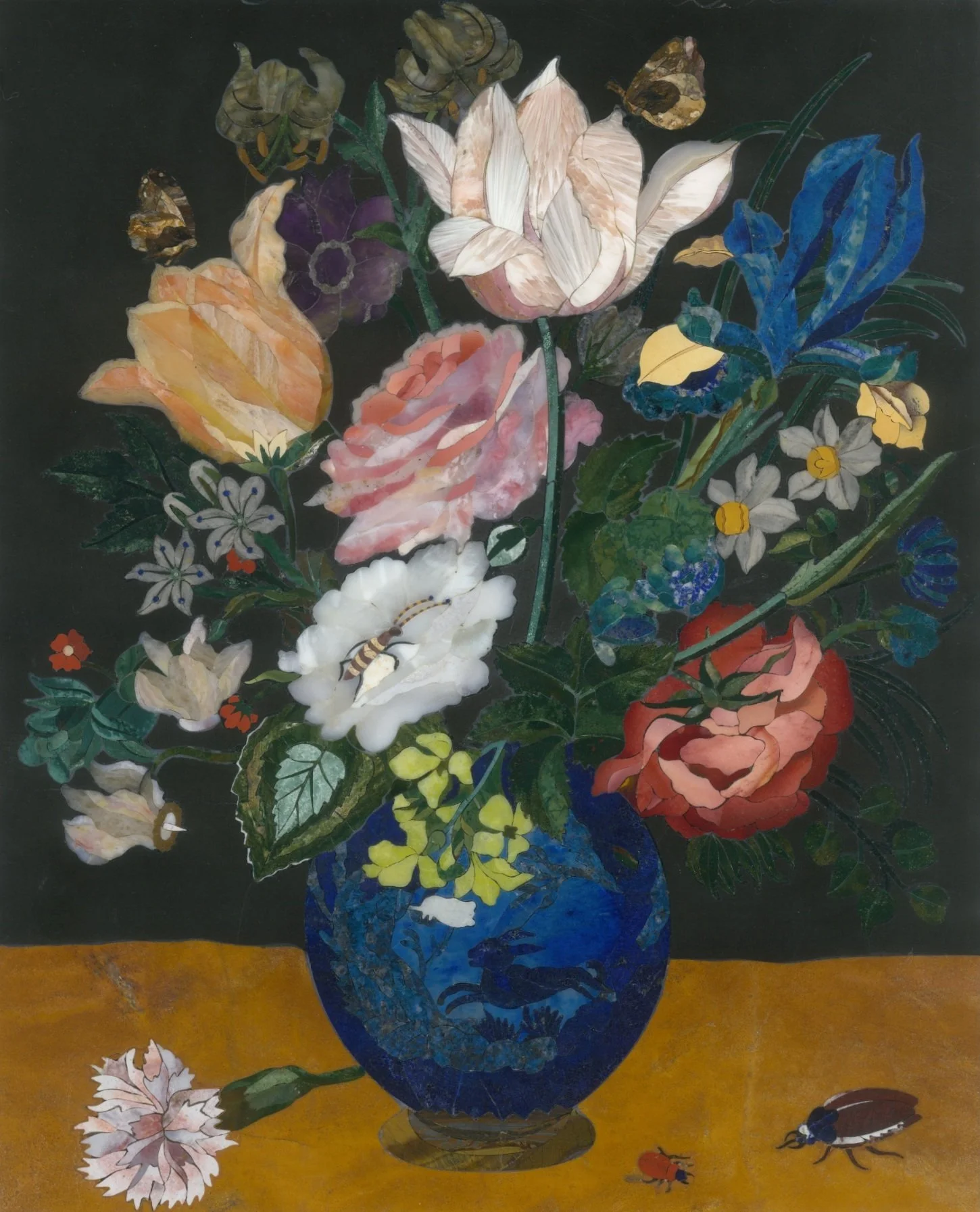
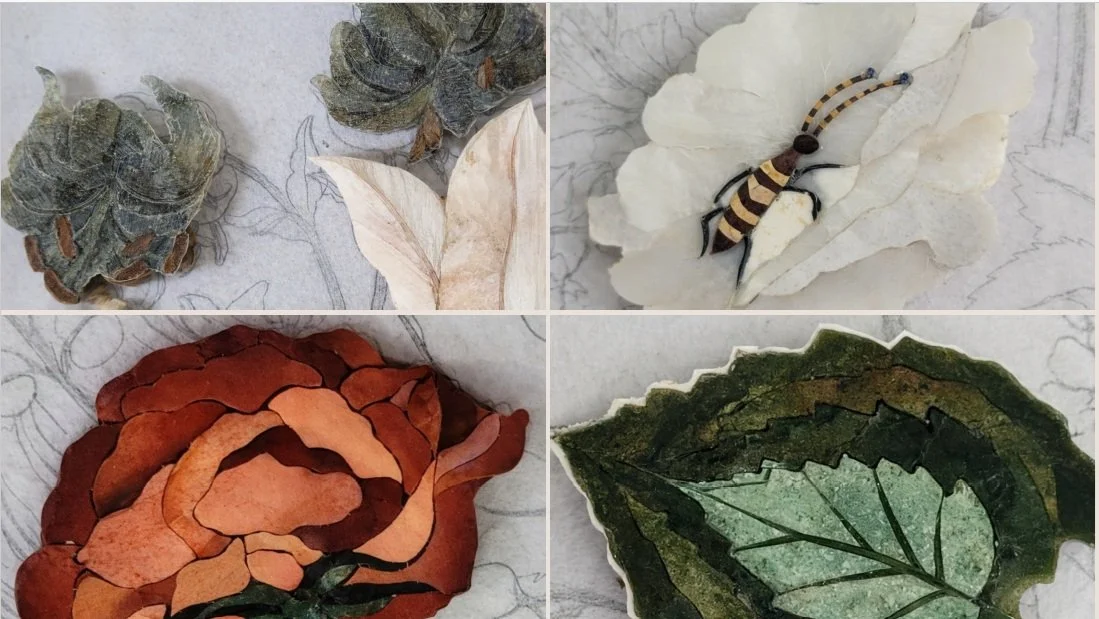
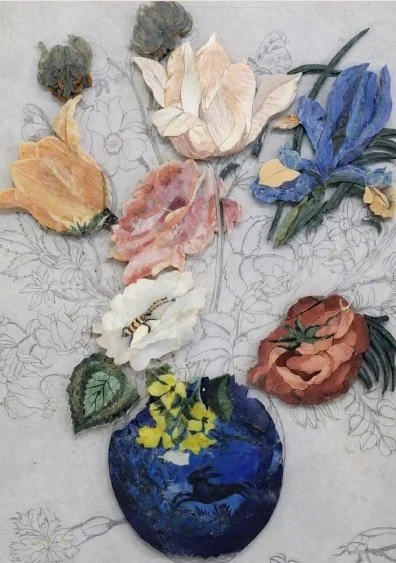
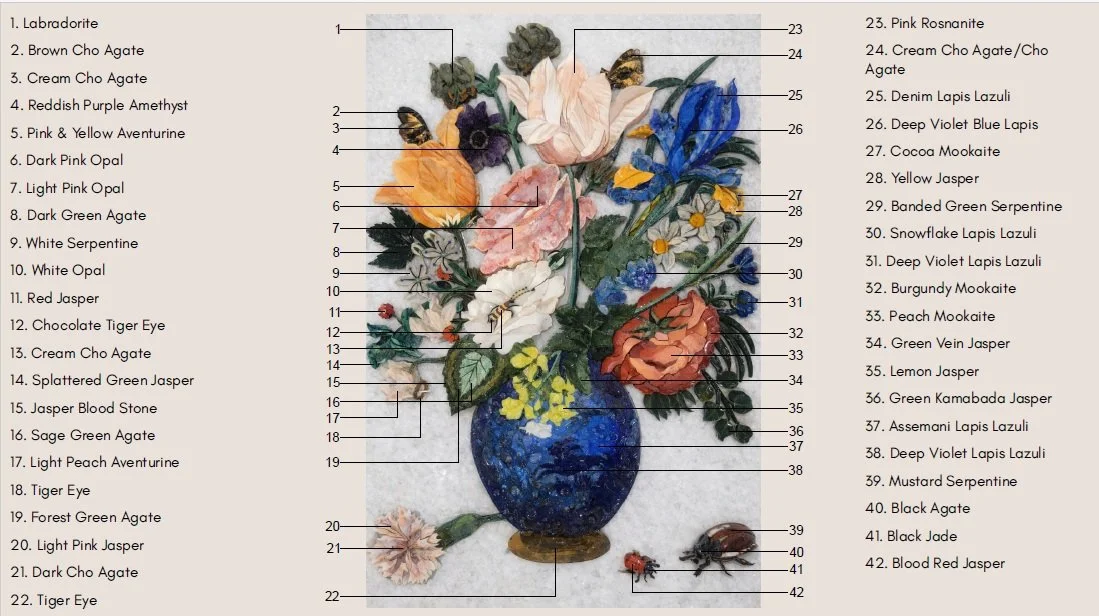
For this project, we have recreated a 17th-century painting by the Dutch artist Jan Brueghel the Younger in pietre dure — an art form that flourished during the very same period at the Medici court in Florence.
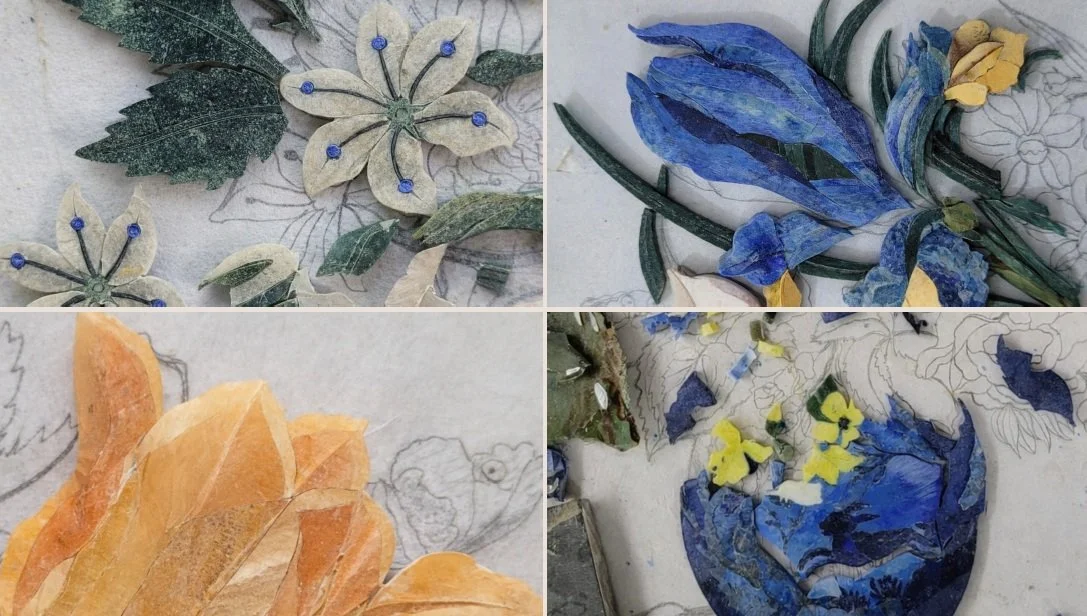
Our artisan partner is arguably among the finest in the world in this highly specialised discipline, drawing on an extraordinary collection of rare and semi-precious stones, many of them truly one of a kind. The remarkable variety of natural colours, patterns and textures allows for an exceptional level of detail, bringing the original painting to life entirely through stone.



The Art & History of Stone Inlay
Two Traditions, Centuries of Mastery
The art of stone inlay has fascinated patrons, artists and architects for centuries. What began as an ancient decorative technique evolved into two remarkable traditions: the Florentine pietre dure and the Indian parchin kari.
Both demand extraordinary patience, precision and an intimate understanding of natural stone. Every fragment is individually selected, cut and fitted to form a composition in which the material itself becomes the artist's palette.
Origins
The use of coloured stones in decorative surfaces dates back to antiquity. Civilisations including Mesopotamia, Egypt, Greece and Rome developed sophisticated forms of stone inlay for jewellery, furniture and architecture. The Roman opus sectile, with its geometric and figurative compositions of precisely cut stone, was an important predecessor of later stone mosaic traditions.
Florence: Painting in Stone
In late sixteenth-century Florence, under the patronage of the Medici, stone inlay developed into an exceptionally refined art form. In 1588, Grand Duke Ferdinando I de' Medici established the Opificio delle Pietre Dure, a workshop dedicated to creating elaborate decorative compositions from precious and semi-precious stones.
Florentine artisans perfected a technique in which thin pieces of stone, carefully chosen for their natural colours and veining, are cut and fitted together with extraordinary precision. Flowers, landscapes, birds and other pictorial subjects emerge from the stones themselves, often with an almost painterly quality.
These works adorned the finest cabinets, tabletops, architectural interiors and ceremonial objects of European courts. Today, the Opificio delle Pietre Dure is internationally renowned for its work in art conservation and restoration.
Parchin Kari: The Indian Tradition
In seventeenth-century Mughal India, stone inlay flourished under imperial patronage, particularly during the reign of Shah Jahan. Its most celebrated expression can be found in the Taj Mahal, where intricate floral and geometric compositions embellish vast surfaces of white marble.
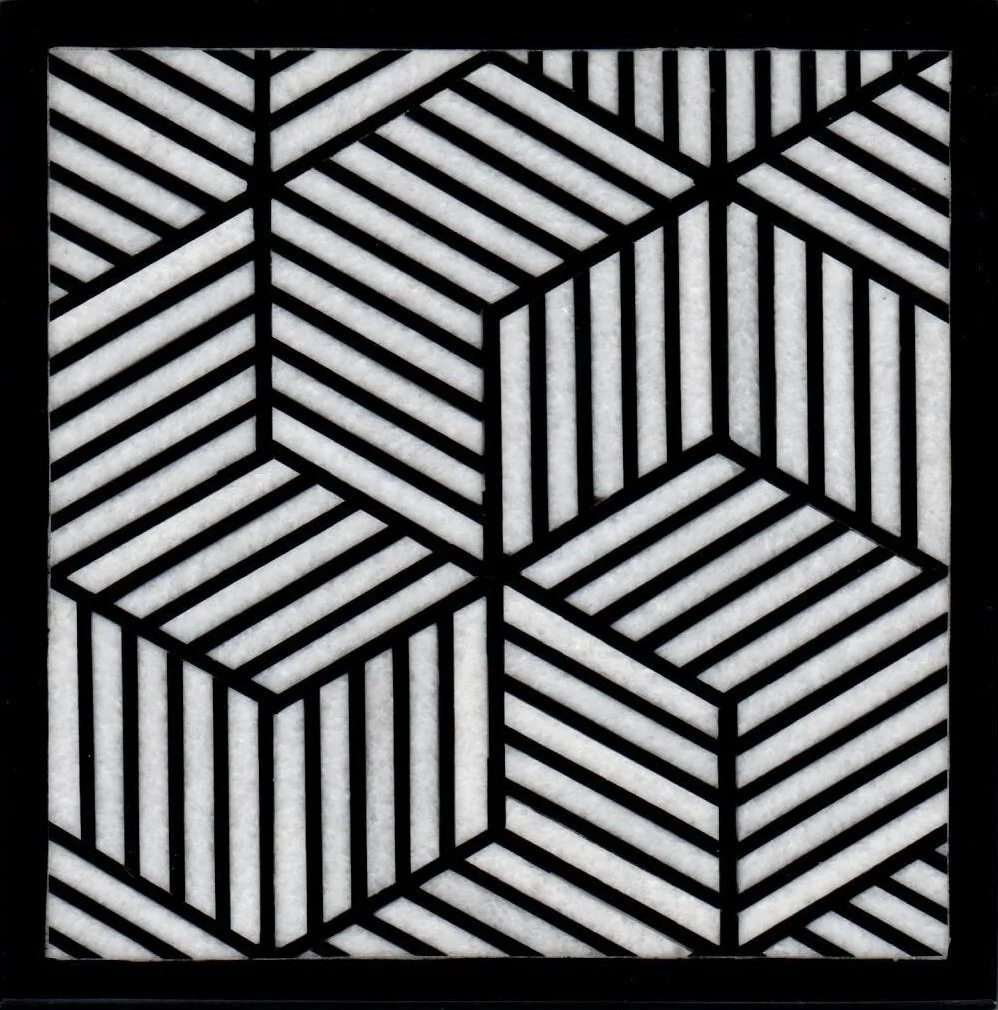
Known as parchin kari, the Indian tradition developed its own distinctive artistic language. Craftsmen carefully carve recesses into marble and insert individually shaped pieces of coloured stone, creating compositions that are perfectly integrated into the surface.
The technique continues to be practised by specialist artisans, particularly in and around Agra, where generations of craftsmen have preserved and refined this extraordinary skill.
A Living Craft
Despite their historical origins, pietre dure and parchin kari remain remarkably relevant to contemporary design.
In the hands of accomplished artisans, these techniques are not limited to reproducing historical motifs. They offer almost unlimited possibilities for modern geometric compositions, abstract artwork and bespoke architectural surfaces.
At Aurelio Amberg, we see the preservation of these traditions not simply as a matter of heritage, but as an opportunity to bring exceptional craftsmanship into contemporary interiors.